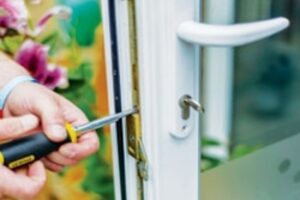
15 Reasons Why You Shouldn't Overlook Cylinder Lock Replacement
A Comprehensive Guide to Cylinder Lock Replacement
Changing a cylinder lock can appear like an overwhelming job, but with the ideal information and understanding, it can be a manageable DIY job. Whether you are handling a failed lock, updating security, or needing a key modification, cylinder lock replacement is a necessary skill. This post details what you need to know before embarking on this task, offering clear, step-by-step instructions, typical pitfalls to prevent, and a list of FAQs to attend to any lingering doubts.
What is a Cylinder Lock?
A cylinder lock is a frequently used locking mechanism discovered in residential and commercial spaces. These locks are understood for their round shape and are usually set up within a door. The locking mechanism itself is contained within the cylinder, which can be easily eliminated and replaced, making it a favorite among locksmith professionals and DIY lovers alike.
Key Components of a Cylinder Lock
- Cylinder: The primary component where the key is inserted.
- Plug: The turning part of the cylinder that engages the lock.
- Housing: The outer shell that holds the internal elements.
- Keyway: The particular shape of the opening into which a key is inserted.
Factors for Replacing a Cylinder Lock
- Lost Keys: If secrets are lost or stolen, replacing the lock guarantees security.
- Updating Security: Newer locks frequently feature innovative innovation and better materials.
- Secret Changes: When moving into a new home, it's a good idea to change the locks to avoid unauthorized access.
- Malfunctioning Lock: Sometimes locks break and stop working to run properly.
Actions to Replace a Cylinder Lock
Changing a cylinder lock can be broken down into several simple actions. Below is a step-by-step guide to assist in the process:
Tools Required
- Screwdriver (Phillips or flat-head depending upon your lock)
- New cylinder lock
- Tape measure
- Pen and paper (for notes if required)
Step-by-Step Instructions
Get Rid Of the Old Lock
- Locate the screws securing the lock casing on the door's edge.
- Use the screwdriver to remove these screws.
- As soon as unscrewed, pull the cylinder out from the door.
Step the Existing Cylinder
- Taking measurements is vital. Measure the cylinder length from the back of the cylinder to the front (the exposed portion).
- If your lock is a split cylinder, step both areas.
Purchase a Replacement Lock
- Utilizing the measurements, pick a replacement cylinder lock that matches the measurements.
- Consider acquiring a lock with enhanced security functions.
Insert the New Cylinder
- Line up the new cylinder with the hole in the door and slide it in. Make sure the cam (the turning mechanism) aligns properly with the locking mechanism.
- Secure it in place by reattaching the screws removed in the initial step.
Test the New Lock
- Insert the new secret and test the lock to guarantee it runs efficiently. If the lock doesn't turn easily, remove it and check positioning once again.
Reassemble Any Additional Components
- If your lock has a case or decorative plate, reattach these components to finish the installation.
Final Checks
- Make sure that the door closes properly which the lock engages firmly when turned.
Table: Common Cylinder Lock Types
Lock Type
Description
Security Level
Single Cylinder
Run with a secret from one side, and a thumb turn on the other side.
Moderate
Double Cylinder
Needs a key for both sides, perfect for doors with glass panels.
High
Smart Cylinder
Integrates with smart home innovation, permitting for keyless entry.
Very High
Europe Cylinder
Common in European countries, includes a particular keyway and is typically longer.
High
Frequently Asked Questions (FAQs)
What if I can't get rid of the old cylinder lock?
If you're struggling to remove the old lock, guarantee you have actually eliminated all screws. Sometimes a little bit of wiggling or using a gentle pull can assist.
Can I change a lock without calling a locksmith?
Yes, replacing a locks cylinder is a manageable task for many DIY lovers, as long as you follow the guidelines supplied.
How do I choose the right cylinder lock?
Select a lock that matches the size specifications of your old lock and uses security functions that line up with your needs.
Is it safe to set up a cylinder lock myself?
As long as you follow the correct procedure and make sure whatever is fitted properly, installing a lock yourself is safe. Nevertheless, if you're not sure, an expert locksmith is constantly an alternative.
Do I require special tools to replace a cylinder lock?
A lot of cylinder locks can be replaced using typical home tools like screwdrivers. Unique tools are not normally required.
Replacing a cylinder lock does not need to be complicated. By comprehending secure door locks , following a clear step-by-step procedure, and addressing any issues with the supplied FAQs, individuals can successfully secure their doors with new locks. Apart from boosting security, this DIY skill empowers property owners to take charge of their security measures, making sure assurance in their personal areas. Whether you're upgrading for a much better security solution or simply changing a worn lock, the knowledge acquired here will show invaluable.